There was a time when a cup of chai was just a cup of chai. Now it is a full production. The cup has to be placed near a window, the steam must look emotional, the caption must say something like ‘slow mornings,’ and suddenly your doodh patti has a personality.
This is the new language of Pakistani youth: taking ordinary life and turning it into aesthetic culture.
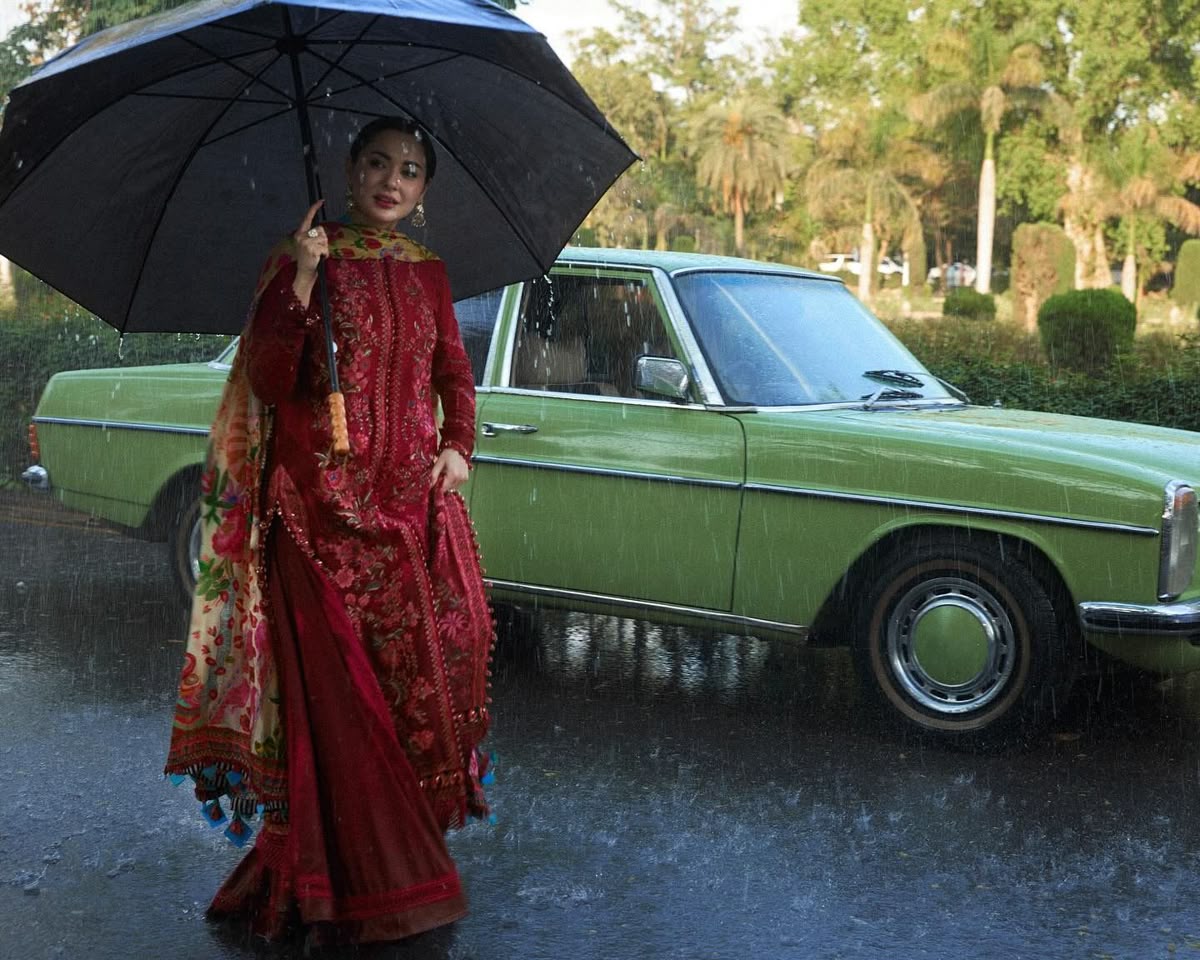
From university corridors and roadside bun kebabs to wedding mehndi shots and rainy street videos, young Pakistanis are finding beauty in the things older generations often treated as routine. A walk in the bazaar becomes a photo dump. A messy study desk becomes ‘academic chaos.’ A plate of biryani becomes national heritage. Honestly, it always was.
Why Everything Feels Like Content Now
A big reason is digital life. Pakistani youth are growing up in a world where personal expression happens through phones, reels, edits, captions, and visual storytelling. The internet has made everyone a mini-curator of their own life. Even if someone is not an influencer, their Instagram story still has a vibe. A blurry photo of fairy lights? Vibe. A random mirror selfie in a lift? Vibe. A half-eaten plate of fries? Somehow also vibe.But this is not just about showing off. For many young people, aesthetics are a way of making daily life feel softer, prettier, and more meaningful. In a world that can feel stressful, uncertain, and fast, romanticizing small things becomes a form of emotional survival.
The Pakistani Version of Aesthetic Culture
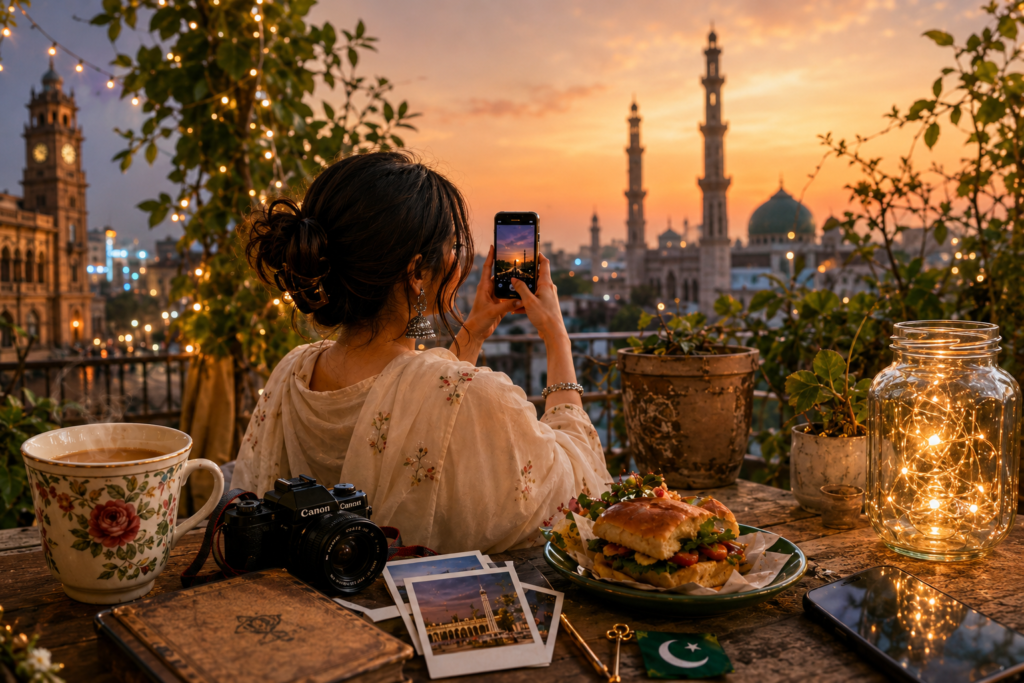
The Pakistani aesthetic is not one clean Pinterest board. It is layered, loud, emotional, colourful, and sometimes beautifully chaotic. It can be old Lahore architecture, Karachi street lights, Islamabad rain, Multan blue pottery, truck art, Eid bangles, wedding dholki, Urdu poetry, or that one plastic chair at every family event.
What makes it special is that it mixes nostalgia with modern editing. Pakistani youth are not just copying global aesthetics; they are localizing them. A ‘soft life’ post in Pakistan may include chai, paratha, dupattas, terrace sunsets, and Ammi asking why you are taking pictures of the breakfast table.
Identity, Not Just Beauty
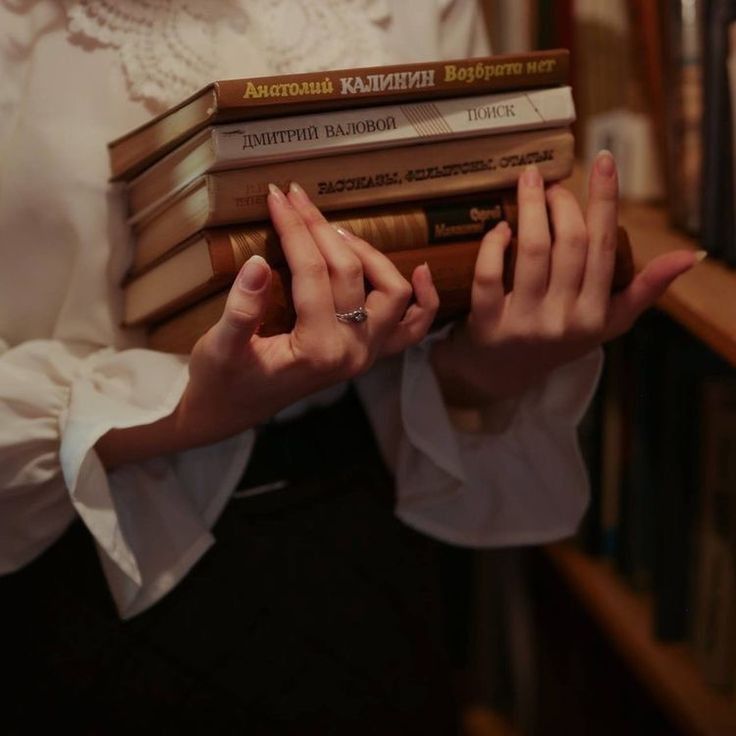
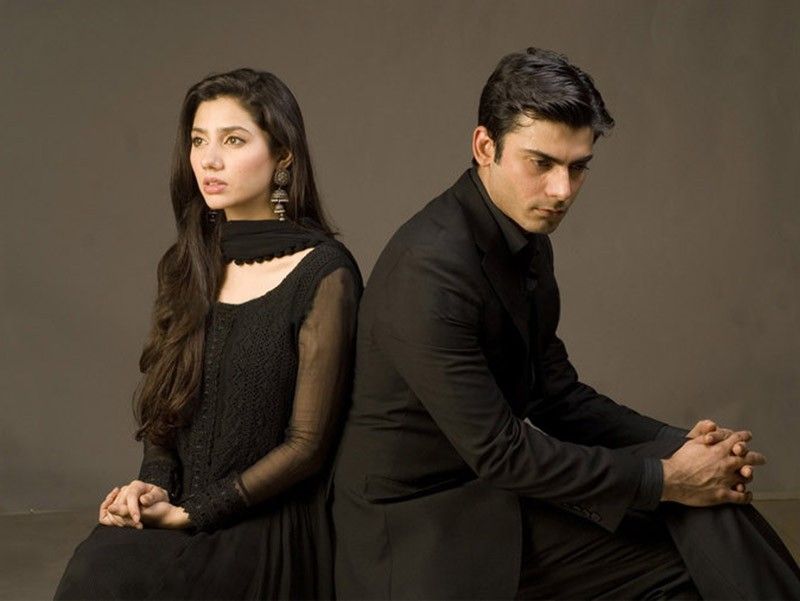
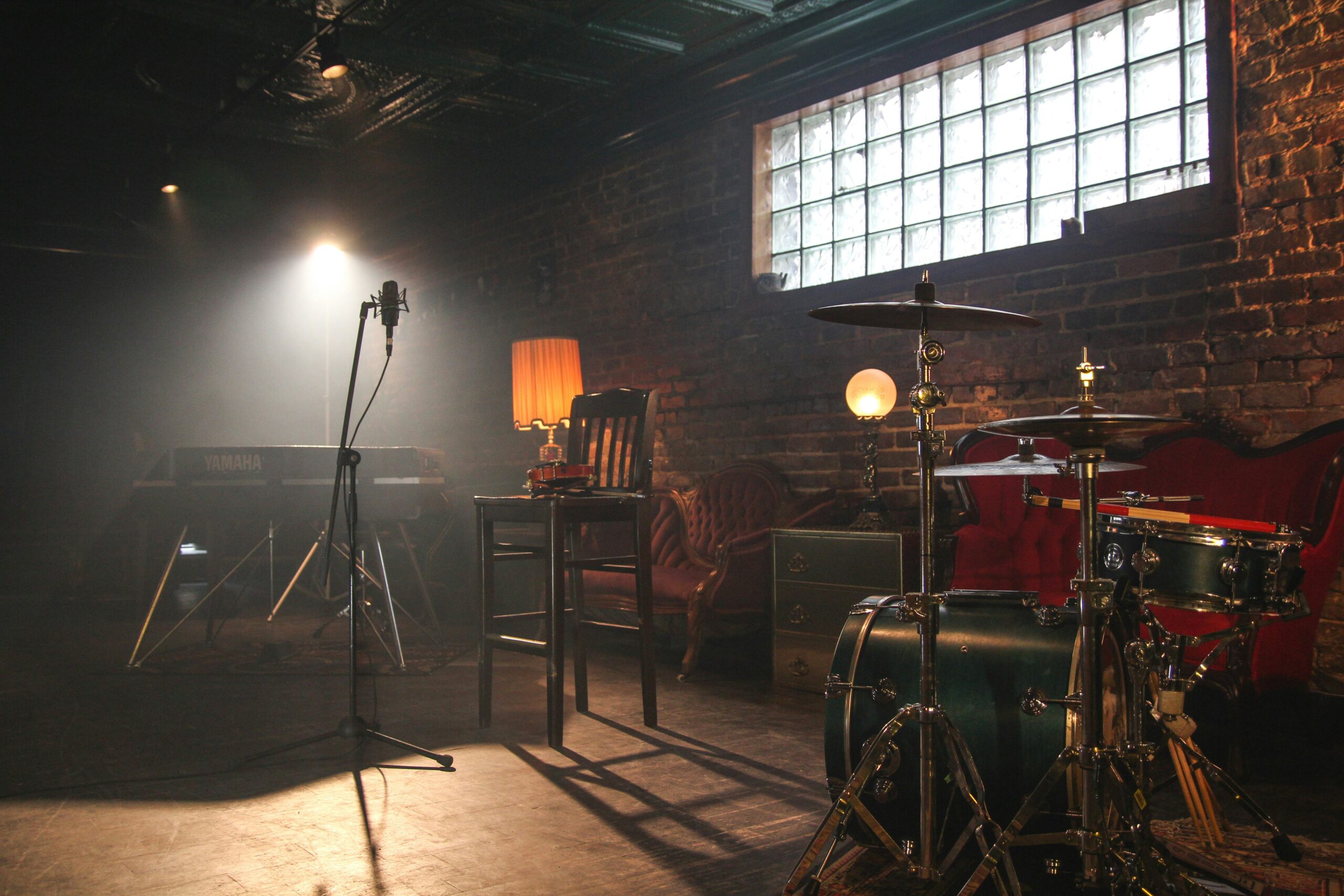
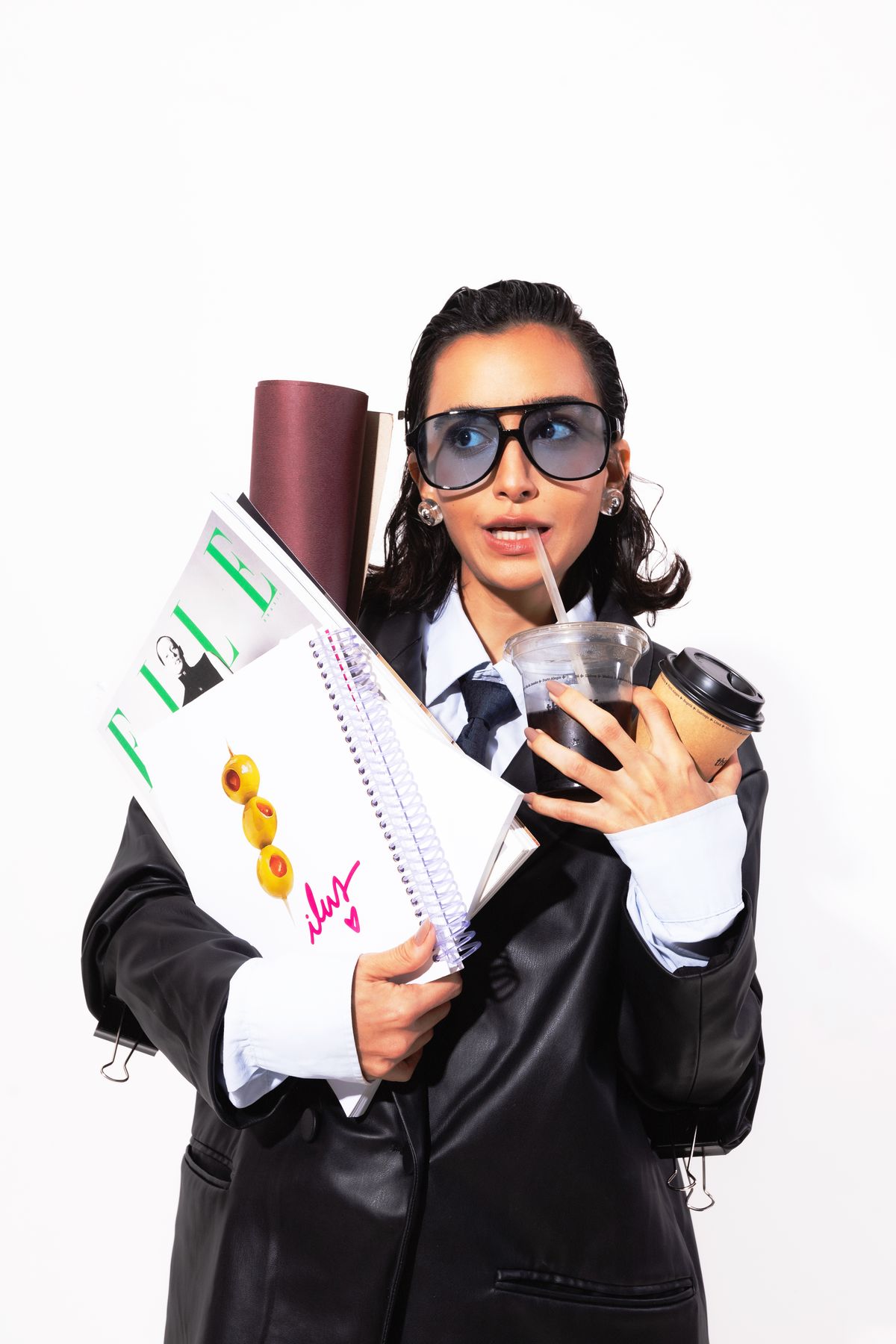
Aesthetic culture also helps young Pakistanis express identity. What you post says something about who you are, what you value, and what kind of world you want to belong to. Some people lean into vintage Pakistani cinema. Some into indie music and messy notebooks. Some into fashion, streetwear, or desi minimalism. Some simply post clouds and disappear for three weeks.
This visual language gives youth a way to say: ‘This is me. This is my Pakistan. This is how I see beauty.’
Is It Too Much Sometimes?
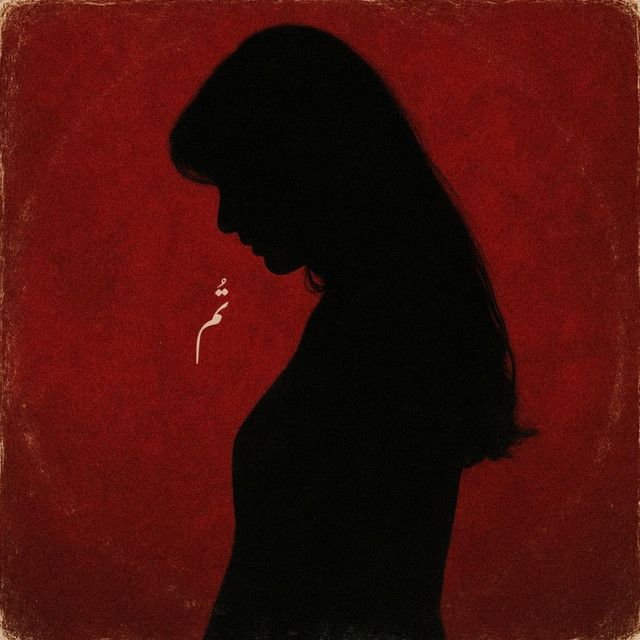
Of course, yes. Sometimes we aestheticize everything so much that we forget to actually enjoy it. The chai gets cold. The food gets soggy. The sunset disappears while we are trying to find the perfect angle. Pain also gets turned into an aesthetic, which can make sadness look poetic even when people need real support.
Still, the trend is not all shallow. At its best, aesthetic culture teaches us to notice our surroundings again. It reminds us that beauty is not only in expensive cafes, foreign trips, or perfect lives. It is in everyday Pakistan: the street vendor calling out, the mehndi stain on your palm, the song playing in a rickshaw, the moon over a messy rooftop.
Final Thought
Pakistani youth are not just making life look aesthetic. They are trying to make ordinary life feel worth noticing. And maybe that is not cringe. Maybe that is culture doing what culture always does: turning daily life into memory.