The Stories We Grow Up Watching
In Pakistan, dramas are more than entertainment. They are routine, background presence, and often the first emotional language many people are exposed to. Whether it’s a family gathered around the TV or episodes watched alone on a phone, these stories quietly become part of how we understand relationships.
Among all themes, love is the most influential.
Before real-life experiences begin, fictional ones already set expectations. Who loves whom, how love is expressed, how conflict unfolds, and how relationships are supposed to “end up” are all learned long before they are personally experienced.

Love as It Is Written on Screen
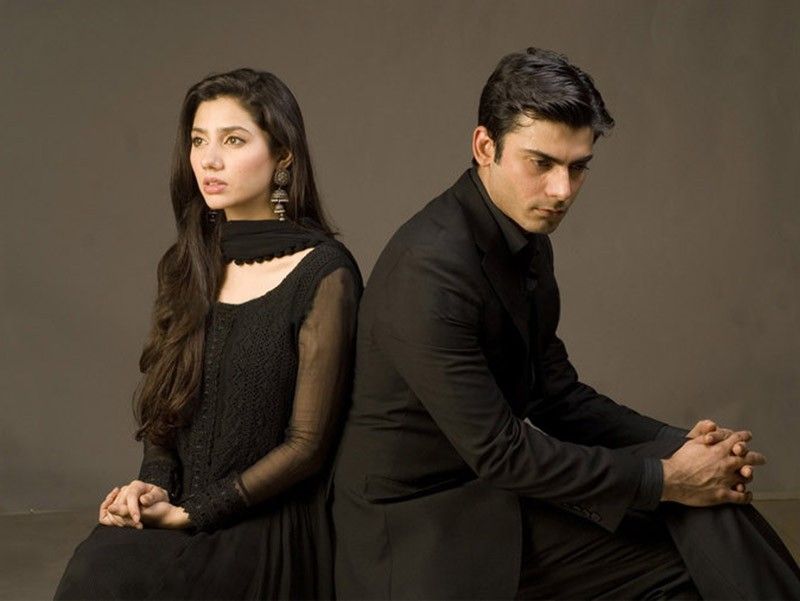
Pakistani dramas have a very distinct way of portraying love. It is often intense, emotional, difficult, and deeply tied to family approval, sacrifice, and social pressure. Love is rarely simple—it is something that must be proven, endured, or fought for.
This repeated storytelling creates a pattern. Over time, viewers don’t just watch these relationships; they absorb them. Love starts to feel like something that should be dramatic, complicated, and emotionally heavy.
Even when reality is simpler, expectations are already shaped by what has been repeatedly seen on screen.
The Normalization of Emotional Intensity
One of the strongest influences of Pakistani dramas is the normalization of emotional intensity. Small misunderstandings become major conflicts. Silence becomes meaningful. Sacrifice becomes proof of love.
This creates a mindset where emotional struggle is often associated with depth. If a relationship is calm or straightforward, it can sometimes feel “less real” compared to the dramatic versions seen on screen.
In this way, storytelling slowly shifts emotional expectations without people even realizing it.
Family, Society, and the Definition of Love
Unlike many global formats, Pakistani dramas place family and society at the center of romantic relationships. Love is rarely just between two individuals—it is always connected to approval, reputation, and cultural expectation.
This reinforces a collective understanding of love rather than an individual one. Decisions are not just personal choices; they are social negotiations.
As a result, viewers often internalize the idea that love must always exist within external boundaries and expectations.
When Fiction Starts to Shape Reality
The most interesting effect of repeated storytelling is how it blends into real-life perception. Over time, viewers begin to measure real relationships against fictional ones.
Expectations about how love should feel, how people should react, or how problems should be resolved are often unconsciously influenced by what has been repeatedly watched on screen.
This doesn’t mean dramas create reality, but they do influence the emotional templates people carry into it.
Why We Keep Coming Back
Despite criticism, Pakistani dramas remain deeply popular because they are emotionally familiar. They reflect feelings people already understand—love, sacrifice, conflict, loyalty, and loss.
There is comfort in familiarity. Even when stories feel repetitive, they continue to resonate because they mirror emotional patterns that already exist in society.
Viewers are not just watching stories. They are recognizing versions of feelings they already know.
The Quiet Power of Narrative
The influence of Pakistani dramas is not always obvious or direct. It doesn’t come from explicit messaging, but from repetition. The same emotional arcs, the same relationship dynamics, and the same resolutions slowly build a shared emotional vocabulary.
Over time, this vocabulary shapes how love is imagined, discussed, and sometimes even expected in real life.
Final Thought
Pakistani dramas don’t just tell love stories. They help define what love is supposed to look and feel like for many people. Whether we agree with those portrayals or not, they remain one of the strongest cultural forces shaping emotional expectations in everyday life.