Nobody romanticizes pain quite like Pakistanis. Give us heartbreak and we will add poetry. Give us loneliness and we will add reverb. Give us emotional damage and we will turn it into a playlist called ‘raat ke 2 baje.’
Pakistani music has always had a special relationship with sadness. Our songs do not simply say ‘I miss you.’ They say it like the moon knows, the rain knows, the old city walls know, and your soul has been waiting since 1947.
A Culture Built on Poetry
One reason Pakistani music makes pain sound so beautiful is our deep connection to poetry. Urdu, Punjabi, Sindhi, Pashto, Balochi, and other regional languages carry rich traditions of longing, separation, devotion, and emotional depth. Ghazals especially shaped the way sadness is expressed: not as weakness, but as elegance.
In our musical culture, heartbreak is not always something to hide. It can be performed, shared, and transformed into art. A sad line is not just sad; it is ‘wah wah’ sad.
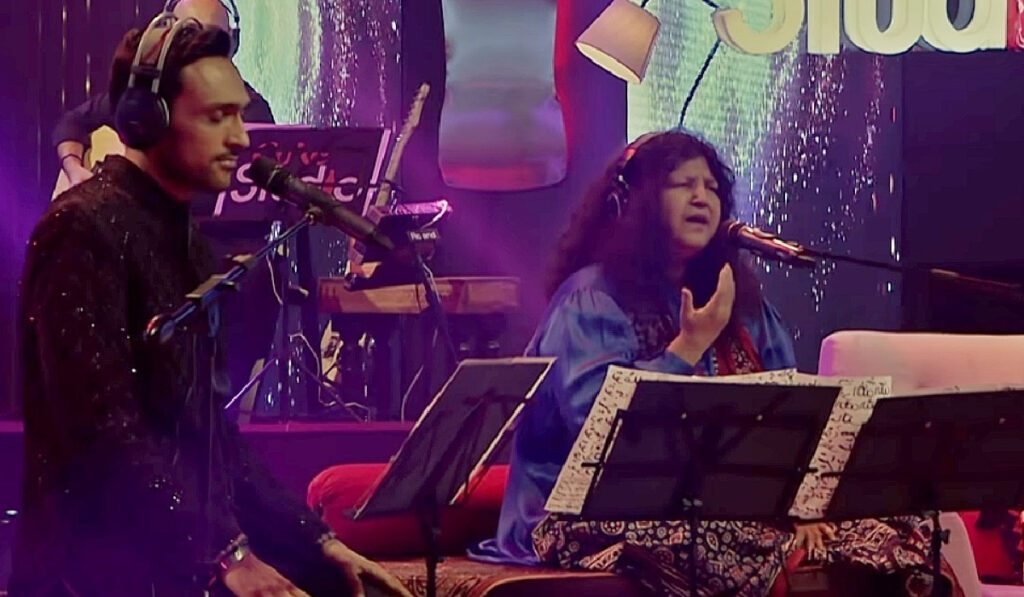
The Beauty of Longing
This obsession with longing creates emotional intensity. Listeners do not only hear the song; they enter a mood. Even if someone has never been in love, a good Pakistani sad song can make them stare out of a car window like they lost a lover in a past life.
From Ghazals to Indie Heartbreak
Older Pakistani music gave us legends who turned pain into timeless performance. Ghazals, qawwalis, film songs, and folk music all carried emotions of separation, devotion, and desire. Today, indie and pop artists continue the same tradition but with new sounds.
The modern version may use softer vocals, lo-fi beats, acoustic guitars, synths, or bedroom production. The setting has changed, but the emotional core remains the same: we are still singing about things we could not say directly.
Why Youth Connect With It
Young Pakistanis often live between pressure and expression. Academic stress, family expectations, financial worries, identity confusion, migration dreams, and complicated relationships all create emotional tension. Music gives these feelings a safe place to sit.
Sad songs help people feel understood. Sometimes a lyric says exactly what someone has been carrying quietly. Sometimes the song hurts, but in a comforting way. Like emotional biryani: spicy, heavy, and somehow necessary.
Is Romanticizing Pain Always Healthy?
Not always. There is a difference between expressing sadness and making pain look glamorous. If every heartbreak is treated like destiny and every toxic situation becomes poetry, we may start confusing suffering with depth.
But music itself is not the problem. The best sad songs do not trap us in pain; they help us process it. They turn private feelings into shared language. They remind us that we are not the only ones overthinking at night.
Final Thought
Pakistani music romanticizes pain because our culture understands that emotions are layered. Sadness can be painful, but it can also be beautiful, poetic, and deeply human.
Maybe that is why our sad songs hit so hard. They do not just break the heart. They decorate the pieces.