

There was a time when music was judged by technical quality. Lyrics were analyzed, vocals were compared, and production value was discussed in detail. A “good song” was something that was well-written, well-produced, and structurally sound.
But that version of music culture is slowly fading.
Today, especially among younger listeners, music is no longer just something to evaluate. It is something to feel. A song doesn’t need to be lyrically complex or technically perfect to become popular. It just needs to create a mood.
This shift has changed not only what we listen to, but how we listen.
The Rise of Vibe-Based Listening
Modern music consumption is increasingly driven by emotion rather than structure. People no longer search for “good songs” in a traditional sense. They search for moods: sad, chill, late-night drive, study, heartbreak, gym energy, or nostalgia.
The question has changed from “Is this a good song?” to “Does this match how I feel right now?”
This is why a simple melody layered with emotion can outperform highly polished tracks. A song becomes valuable not because it is perfect, but because it fits into a moment of someone’s life.
Music has become less about critical judgment and more about personal atmosphere.
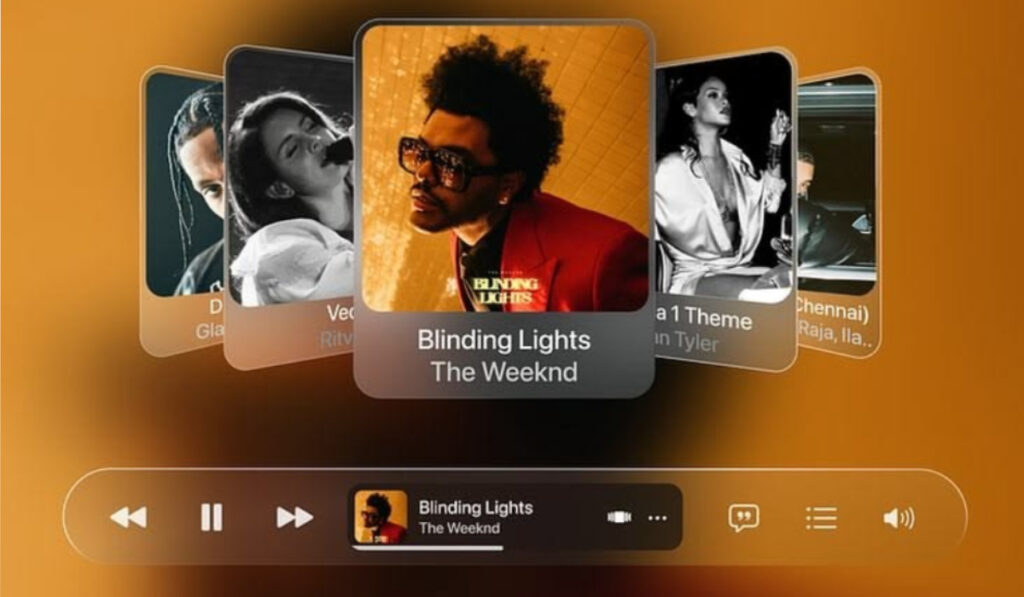
Why Imperfection Feels More Real
One of the biggest reasons vibe-based music dominates today is emotional authenticity. Listeners are drawn to sounds that feel real, even if they are not technically flawless.
A slightly raw vocal, a minimal beat, or an unfinished emotional tone can feel more relatable than overproduced perfection. In many cases, imperfection creates intimacy. It feels like the artist is not performing for an audience but expressing something personal.
This sense of closeness is what makes modern listeners stay connected to a song, even if it wouldn’t traditionally be considered “high quality.”
The Algorithm Changed the Way We Discover Music
Streaming platforms and social media have also reshaped how music spreads. Songs no longer need to be fully appreciated to become popular. Sometimes a 15-second clip is enough to define an entire track.
A song goes viral not because people analyze it, but because it fits a moment, a trend, or a feeling. It becomes attached to visuals, edits, memories, and short-form content.
In this environment, replay value is less about musical depth and more about emotional repetition. If a sound makes someone feel something instantly, it spreads.
Playlists Are the New Identity
Music used to be something people discovered through albums and artists. Now, it is organized through moods and situations.
Playlists like “late night thoughts,” “main character energy,” or “everything hurts but I’m fine” define how people experience music more than genres ever did.
This means music is no longer just entertainment. It is identity expression. What you listen to is often a reflection of how you want to feel, not just what you enjoy.
In this way, music has become deeply personal, even when it is widely shared.
Creativity Creates Opportunities
One of the most overlooked benefits of creative thinking is its ability to generate opportunities. Creative individuals are often able to identify gaps, uncover possibilities, and create value where others see limitations.
This is true in careers, businesses, and personal growth alike. Whether it is building a unique portfolio, launching an innovative project, developing a new solution, or finding an unconventional path toward a goal, creative thinking allows individuals to create opportunities rather than simply compete for existing ones.
Many of the world’s most successful ideas began as thoughts that seemed unusual or unrealistic at first. Creativity thrives in spaces where people are willing to explore possibilities beyond what is familiar.
Quality Still Exists, But It No Longer Leads
This shift does not mean quality no longer matters. Well-produced, lyrically strong music still exists and still succeeds. But it is no longer the primary factor in what becomes culturally relevant.
A technically perfect song without emotional resonance can disappear quickly, while a simple track with strong emotional weight can stay on repeat for months.
The hierarchy has changed. Emotion now leads. Quality follows.
The Internet Turned Music Into Culture Moments
Social media has blurred the line between music and culture. A song is no longer just a listening experience. It becomes part of edits, reels, trends, and shared emotional language online.
People don’t just hear songs anymore — they attach them to moments. A breakup edit, a travel clip, a late-night thought post, or a nostalgic montage can all give a song meaning far beyond its original intent.
In this way, music has become less of an isolated art form and more of a cultural accessory.
The Future of Music Is Emotional First
As attention spans shorten and content becomes more fragmented, emotional clarity will continue to matter more than technical complexity.
Listeners will keep gravitating toward songs that match their internal states rather than songs that demand analysis. Music will continue to evolve as a tool for emotional expression rather than just auditory appreciation.
The future of music is not about who sounds the best.
It is about who makes people feel something the fastest.
And in that world, vibes win.