Every few months, someone announces that coffee is replacing chai in Pakistan. And every time, somewhere in the country, a kettle whistles in protest.
Yes, coffee culture is growing in urban Pakistan. Cafes are fuller, iced lattes are everywhere, and at least one person in every friend group has made ‘coffee person’ their full-time identity. But replacing chai? That is a much bigger claim. Chai is not just a drink in Pakistan. Chai is emotional infrastructure.
The Rise of Coffee Culture
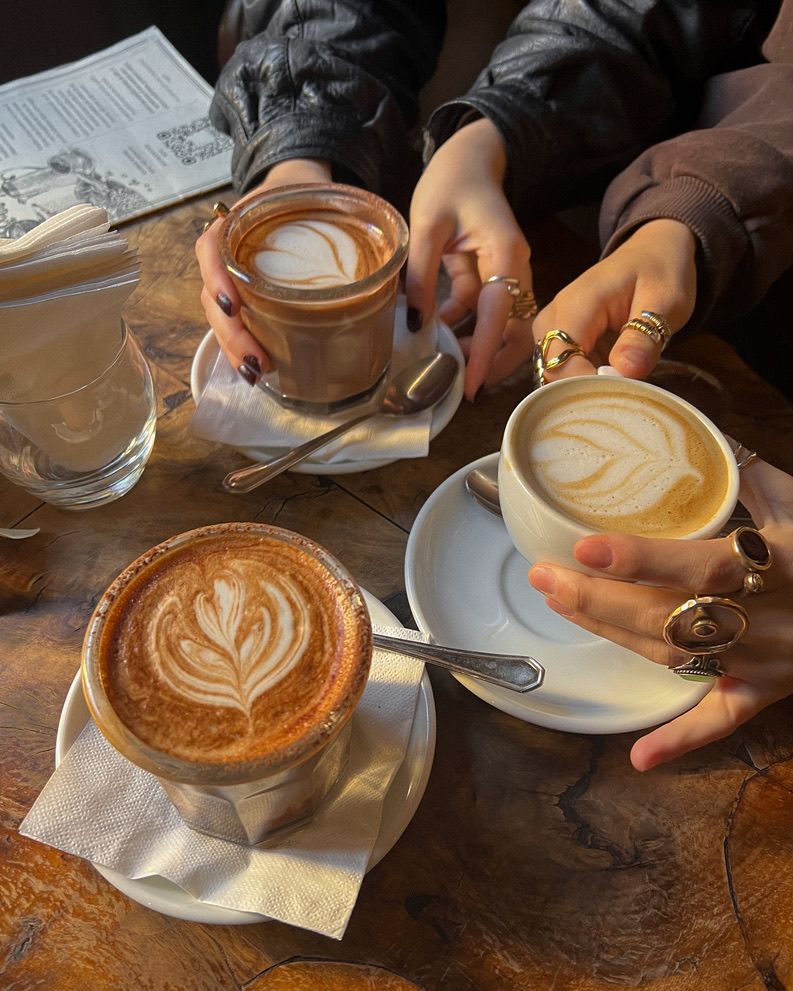
Urban Pakistan has definitely developed a stronger cafe culture. In cities like Lahore, Karachi, Islamabad, and beyond, coffee shops have become meeting spots, work corners, date locations, study spaces, and safe zones for people who want to sit somewhere for three hours with one drink.
For Gen Z and millennials, coffee is not only about caffeine. It is about lifestyle. A latte looks good in pictures. A cafe gives you background music, Wi-Fi, soft lighting, and the illusion that your life is organized. Chai dhabas are iconic, but they do not always give you a charging socket and a corner to cry over deadlines.Coffee also feels global. It connects young Pakistanis to international trends: iced coffee, matcha, cold brew, caramel macchiato, espresso shots, and those tiny cups that cost enough to make your wallet question your values.
But Chai Is Still Chai
Here is where the debate gets interesting. Coffee may be rising in urban, upper-income, and youth circles, but chai still dominates everyday life. Chai is in homes, offices, hostels, roadside stalls, family gatherings, wedding preparations, exam nights, and every conversation that begins with ‘acha suno.’
Chai is not trying to be aesthetic. It simply is. It appears when guests arrive. It appears when relatives gather. It appears when someone is sad, happy, sleepy, bored, or just existing. In Pakistan, ‘chai piyoge?’ is less of a question and more of a national reflex.
Coffee Is a Lifestyle; Chai Is a Habit
Coffee in urban Pakistan often represents a certain lifestyle: modern, social, slightly expensive, and very Instagrammable. Chai represents comfort, routine, and belonging. Coffee is something you go out for. Chai is something that finds you.
This difference matters. Coffee can become trendy without replacing chai because both serve different emotional functions. Coffee says, ‘Let’s meet at a cafe.’ Chai says, ‘Sit down, we need to talk.’ Coffee says productivity. Chai says family drama, friendship, and gossip with extra sugar.
The Youth Factor
Young Pakistanis are definitely experimenting more. Many students and young professionals prefer coffee while studying, working, or socializing. Cafes also provide spaces where youth can hang out more freely compared to traditional public spots.
But even the most committed coffee lover often returns to chai at home. Especially when Ammi makes it. You cannot compete with Ammi’s chai. Starbucks could enter the room with a gold-plated cappuccino and still lose.
Final Verdict
So, is coffee replacing chai in urban Pakistan? Not exactly.
Coffee is growing, especially as a youth and cafe culture symbol. But chai remains deeply rooted in Pakistani daily life. The better answer is that coffee has joined the table, but chai is still sitting at the head of it.
Pakistan is not becoming a coffee nation. It is becoming a chai nation that also likes iced lattes on weekends.