Pakistani weddings are not just weddings. They are film sets, fashion shows, family reunions, dance competitions, emotional therapy sessions, and financial cardio — all happening at once.
What makes them even more fascinating is how visual they have become. Every colour, outfit, flower, song, pose, invitation card, and dance entry says something. A Pakistani wedding is no longer just an event. It is a whole visual language.
Colours That Speak Before People Do
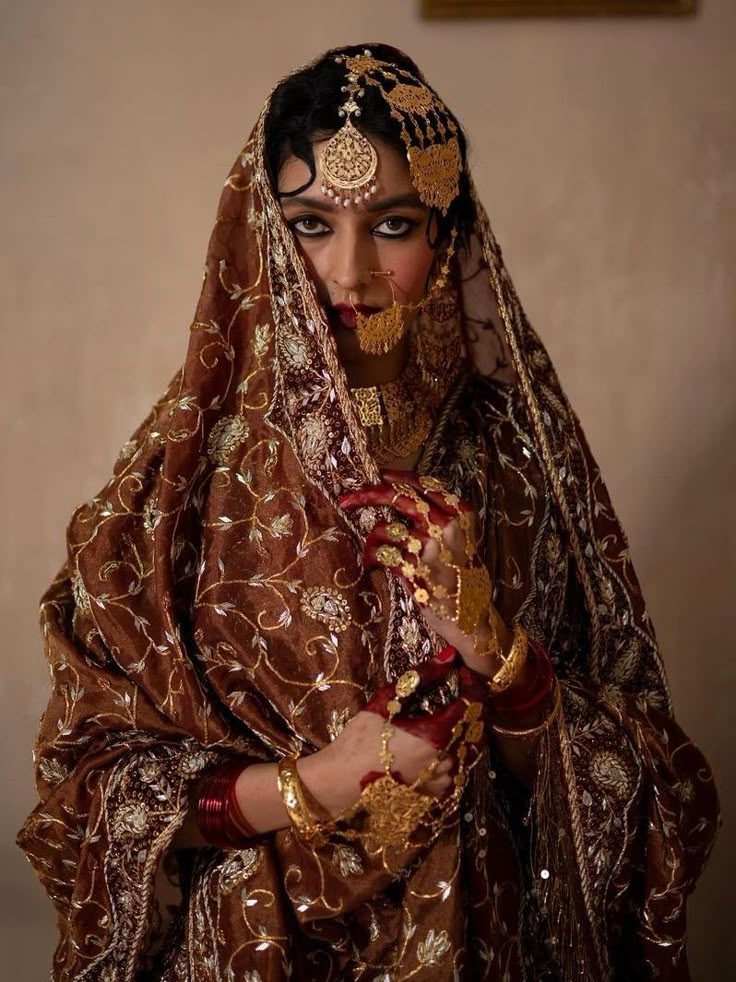
The mehndi has its own colour palette: yellow, orange, green, pink, mirror work, marigolds, fairy lights, and enough bangles to supply a small city. The baraat often brings deeper tones: red, gold, maroon, ivory, black sherwanis, heavy jewellery, dramatic lighting, and at least one uncle who thinks he is the main character.
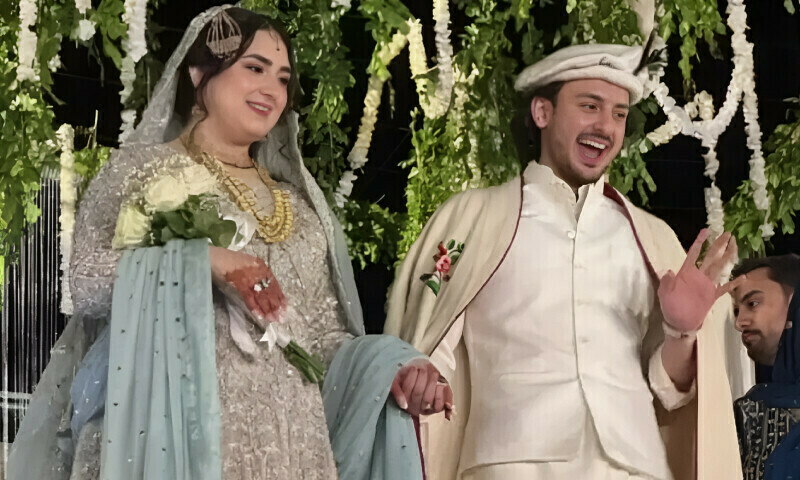
Then comes the walima: softer, elegant, pastel, pearl-toned, ‘we are classy now’ energy.
Each event has a mood. The colours tell guests what to feel before the bride and groom even enter.
The Instagram Effect
Social media has completely changed wedding culture. Earlier, wedding photos were mainly for albums. Now they are for reels, carousels, highlight covers, and ‘soft launch but make it shaadi.’ Couples plan entrances around camera angles. Decor is designed to look good on video. Even candid shots are sometimes so perfectly planned that the word ‘candid’ deserves an apology.
The rise of wedding photographers, cinematic edits, drone shots, and slow-motion clips has turned weddings into visual stories. The bride walking in is no longer just a walk. It is an emotional scene with music, lighting, and everyone pretending not to cry.
Fashion as Identity
Pakistani wedding fashion has also become a language of identity. Brides are experimenting with traditional reds, soft pastels, vintage ghararas, heirloom jewellery, minimal looks, maximal looks, and regional details. Grooms are no longer only background decoration either. Many now coordinate colours, wear statement shawls, embroidered sherwanis, and shoes that look like they have their own security team.
Families also express status, taste, and personality through clothing. Matching outfits say unity. Overly matching outfits say someone’s cousin took the theme too seriously.
Music, Dance, and Emotion
A Pakistani wedding is incomplete without music. Dholki songs, Bollywood numbers, Coke Studio tracks, old classics, Punjabi beats, and emotional entrance songs all create meaning. The playlist tells the story: fun, nostalgia, romance, family pride, and sometimes one suspiciously sad song that makes everyone wonder if the couple is okay.
Dance performances have become another layer of visual storytelling. Friends perform the couple’s journey. Cousins fight over choreography. One person forgets the steps but compensates with confidence. This too is culture.
Why We Love the Drama
Pakistani weddings are dramatic because Pakistani culture is emotional. We do not simply celebrate. We decorate the feeling. We add lights, songs, food, clothes, tears, and ten events until the emotion becomes visible.
Yes, weddings can become excessive. Yes, they can be expensive and stressful. But they also preserve rituals, family bonds, regional styles, and collective joy. They are one of the few spaces where tradition and trend meet so loudly.
Final Thought
Pakistani weddings became a visual language because they carry more than marriage. They carry identity, memory, class, family, nostalgia, fashion, and hope.
Also, let’s be honest: if there is no dance practice drama, was it even a Pakistani wedding?